-
Home
-
Products
-
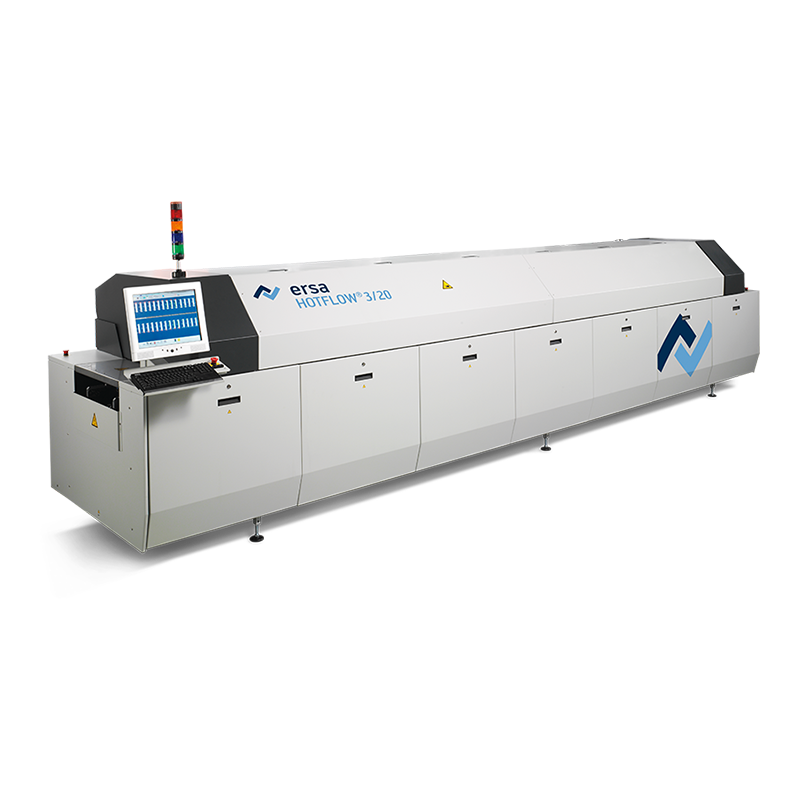
HOTFLOW 3/20
-
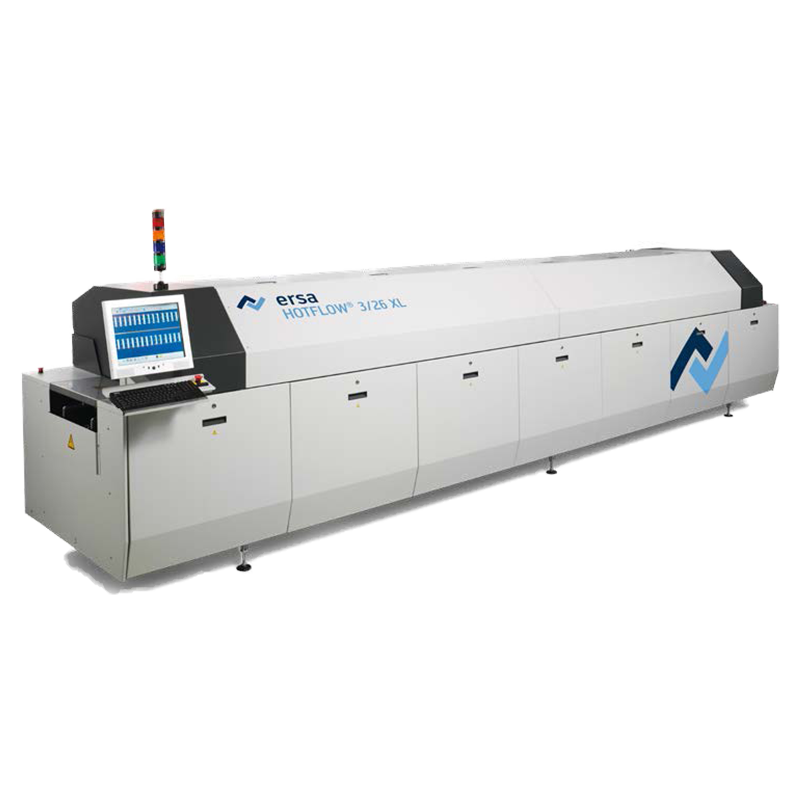
HOTFLOW 3/26 XL
-
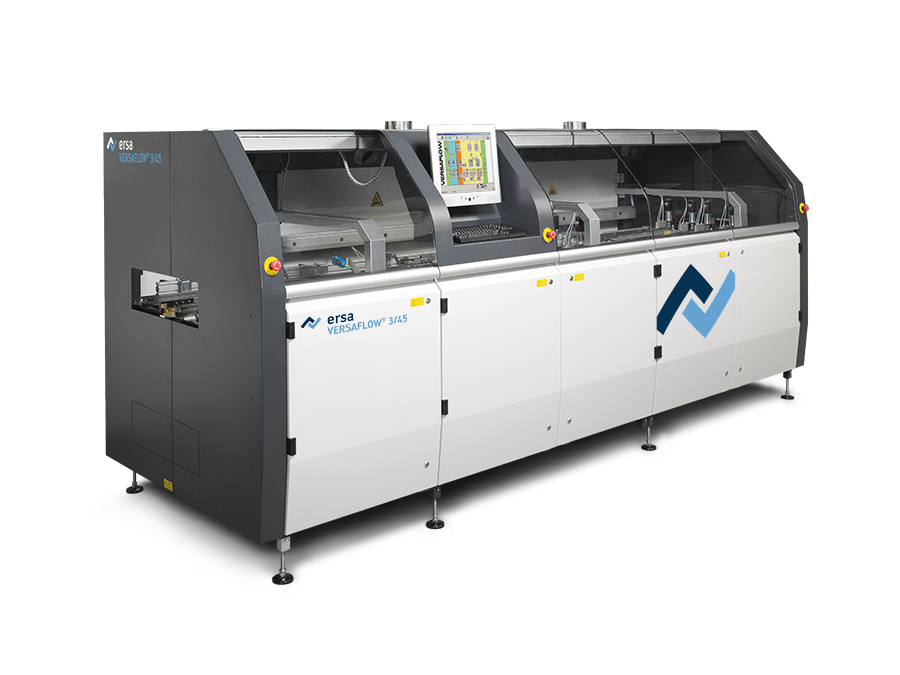
Selective Welding System VERSAFLOW 3/45
-
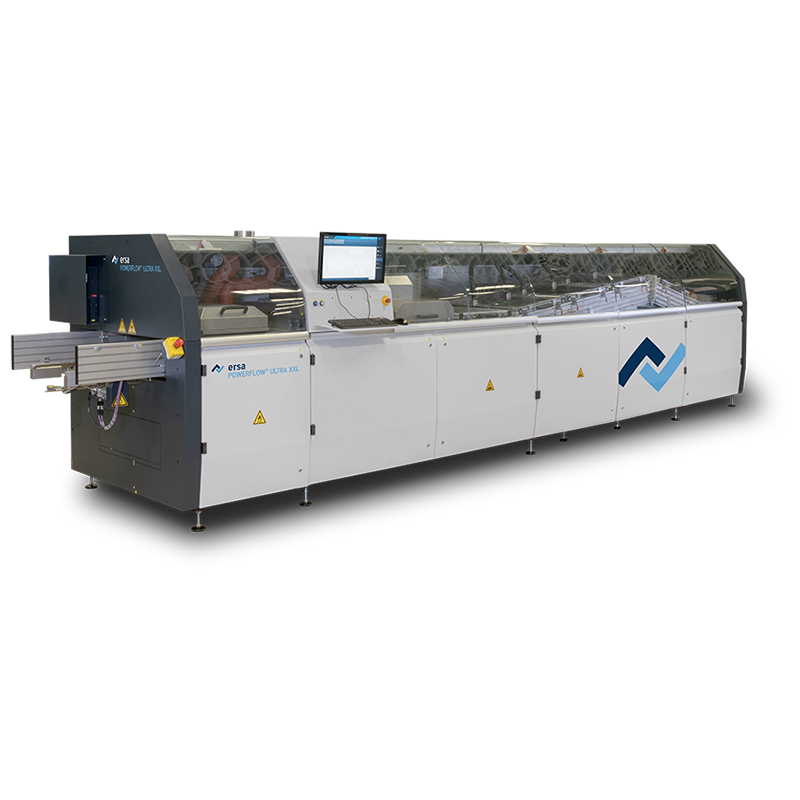
Full Tunnel Nitrogen Wave Soldering System POWERFLOW ULTRA
-
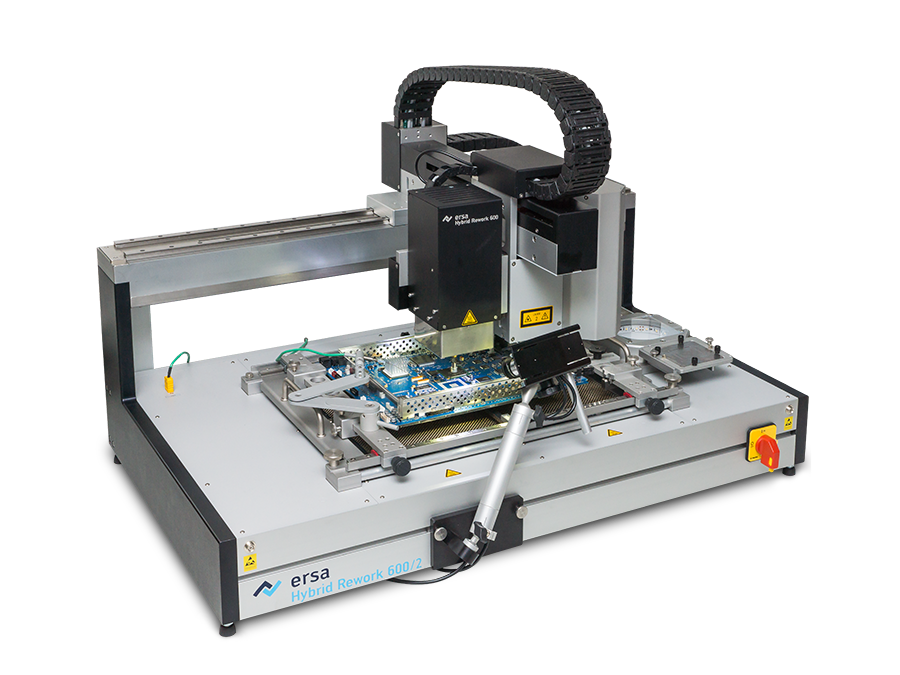
HR 600/2 Repair station
Learn more
-
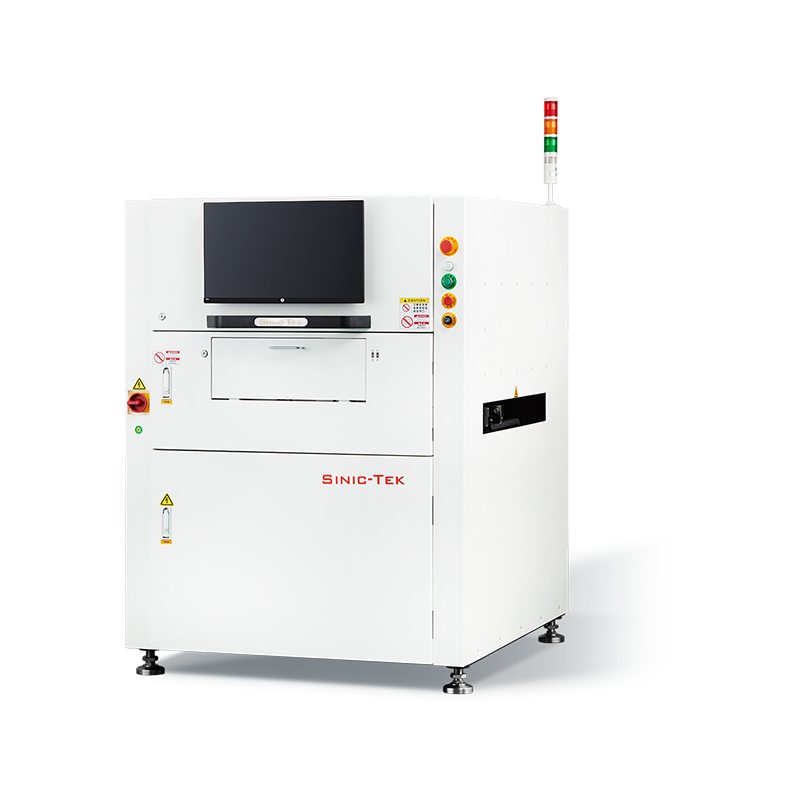
InSPIre-630 Online High-Speed 3D Solder Paste Inspection System
-
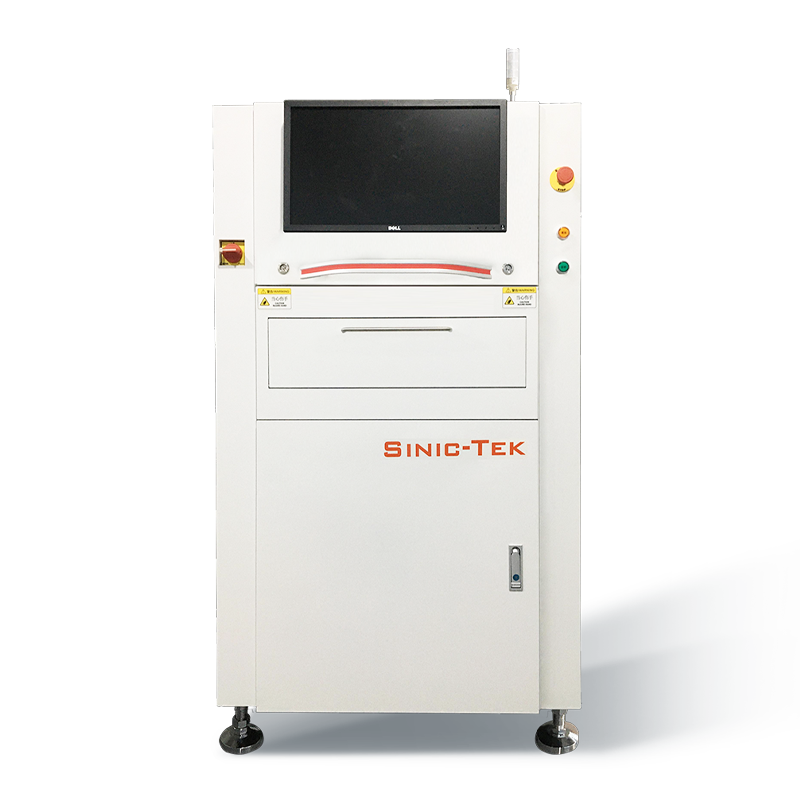
S510 Online 2D Automatic Optical Inspection Equipment
-
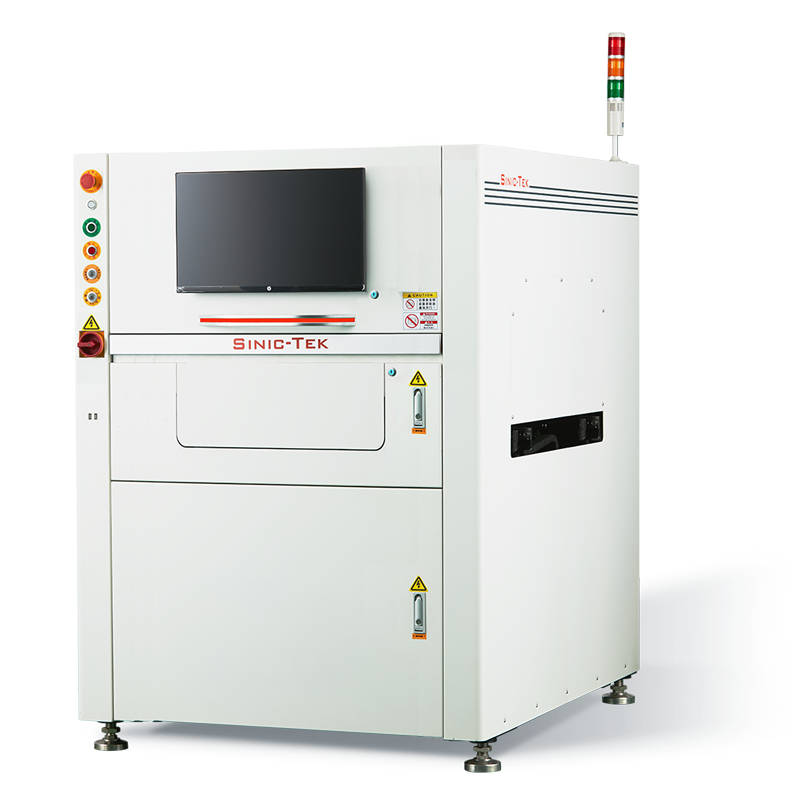
A-630 Online 3D Automatic Optical Inspection Equipment
Learn more
-
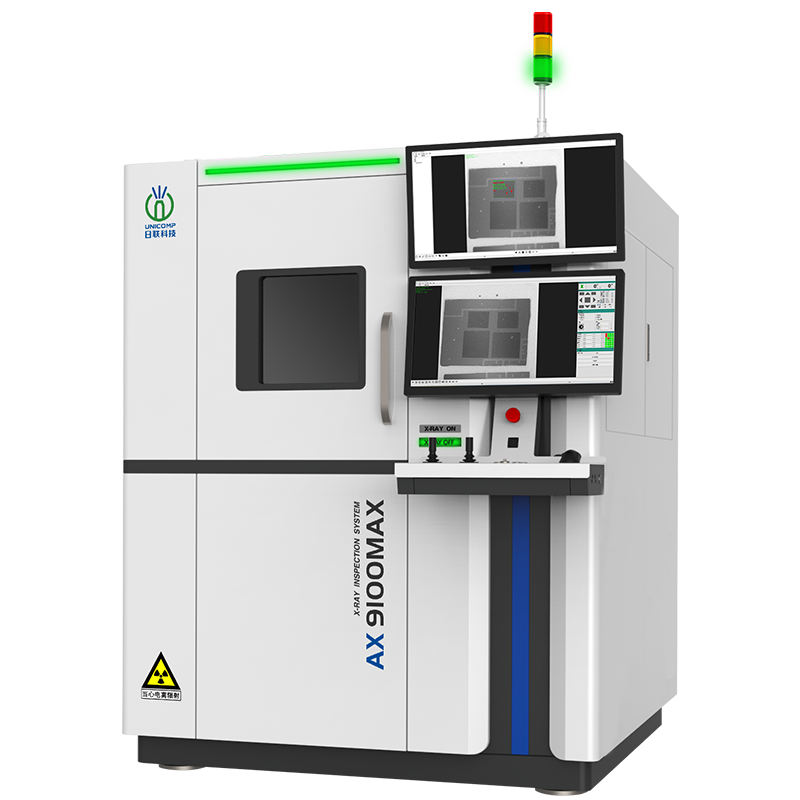
X-ray Inspection Equipment AX9100MAX
-
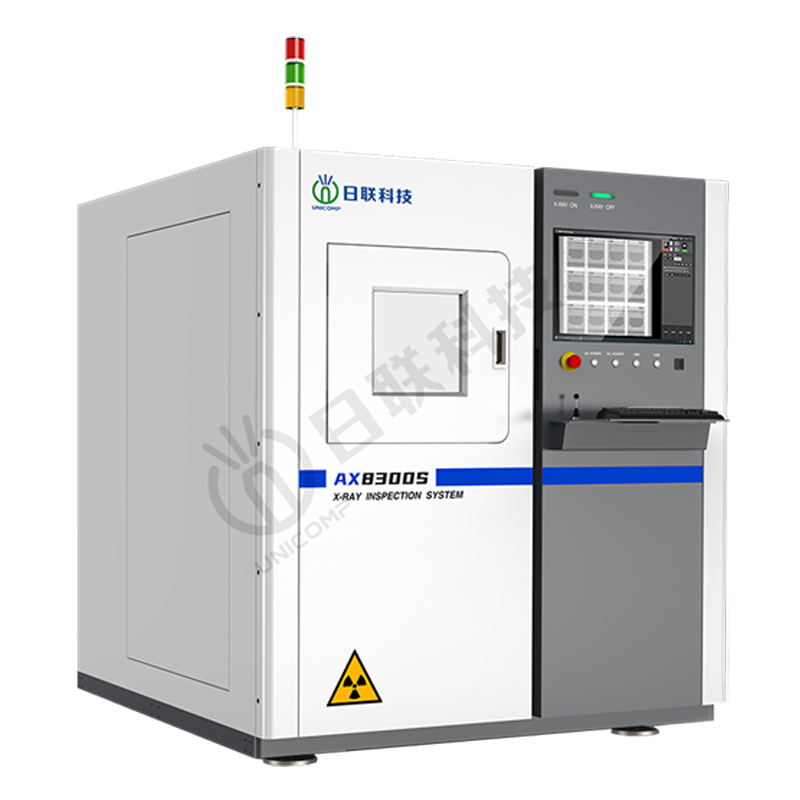
Semiconductor Micro-Focus X-Ray Inspection Equipment AX8300S
-
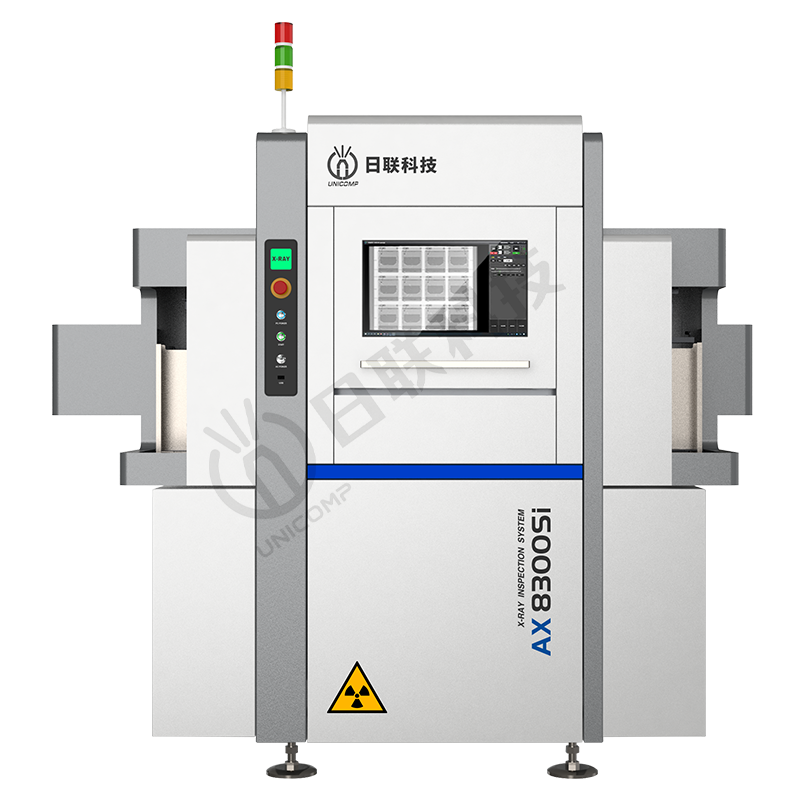
Semiconductor Micro-Focus X-Ray Inspection Equipment AX8300Si
-
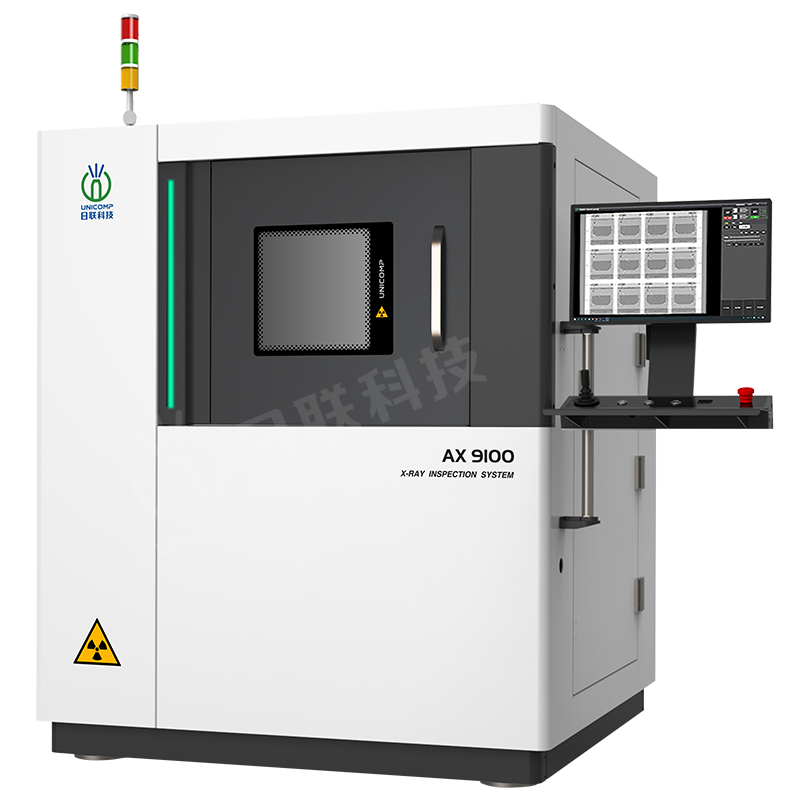
X-ray Inspection Equipment AX9100
-
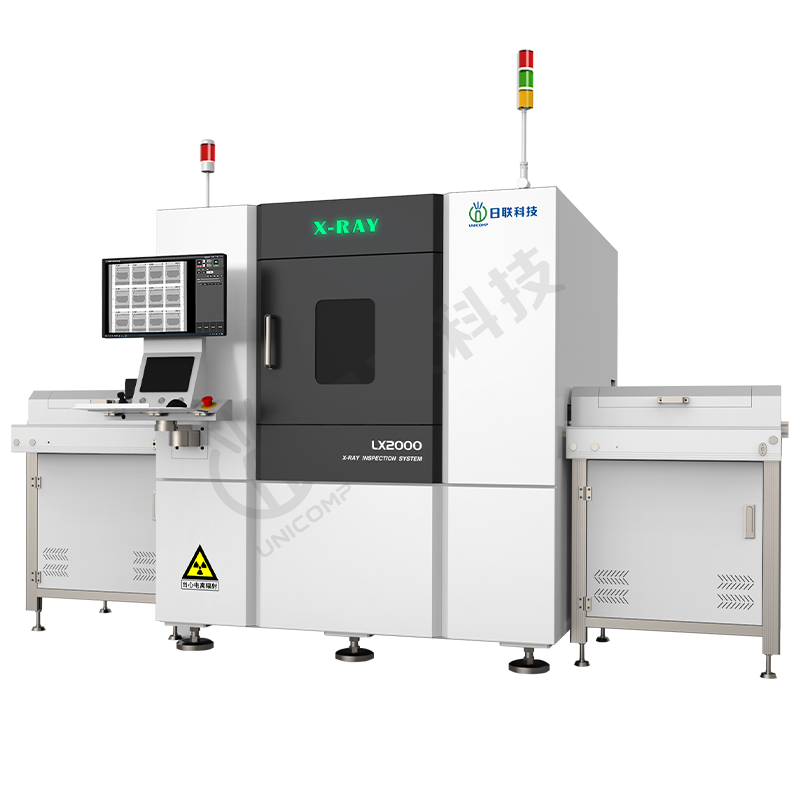
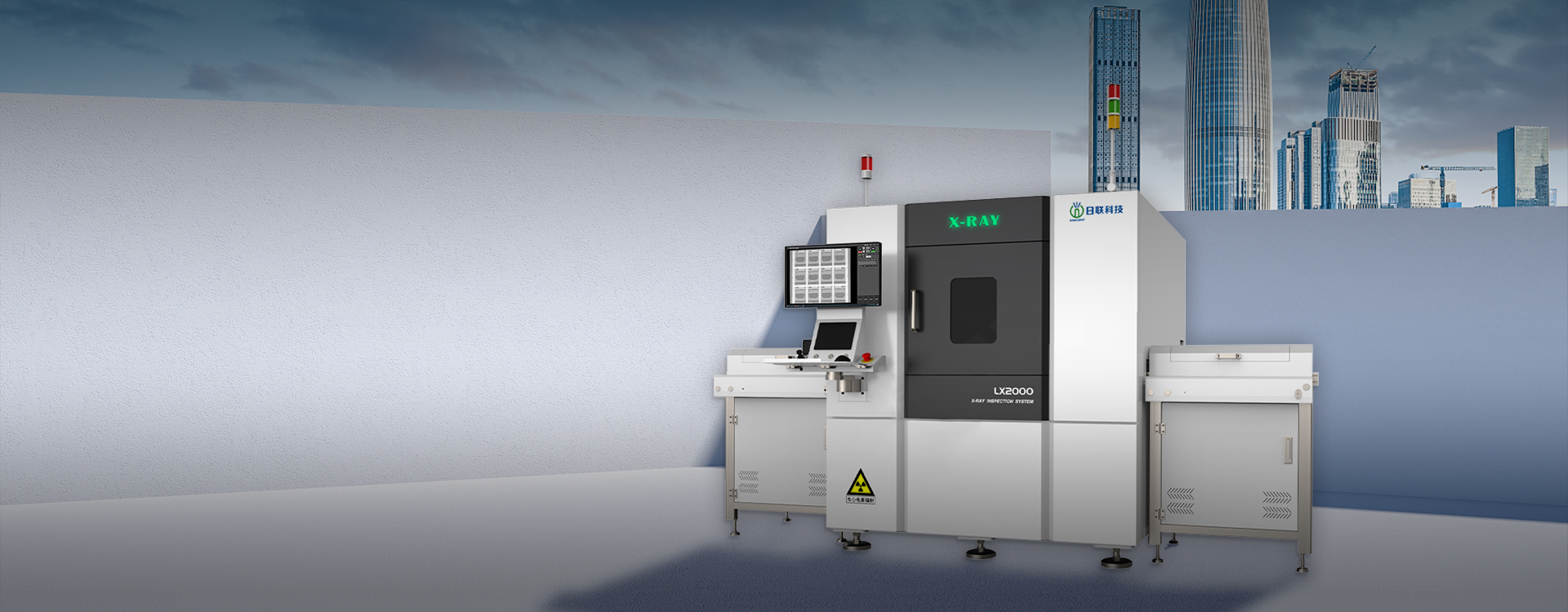
X-ray Online Inspection Equipment LX2000
-
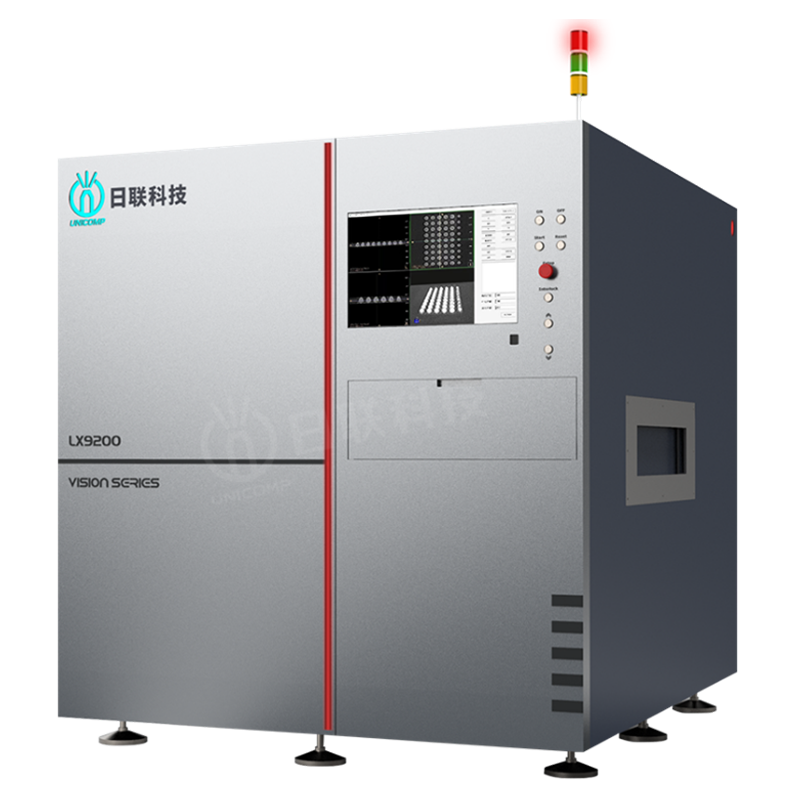
3D Online X-Ray Inspection Equipment LX9200
Learn more
-
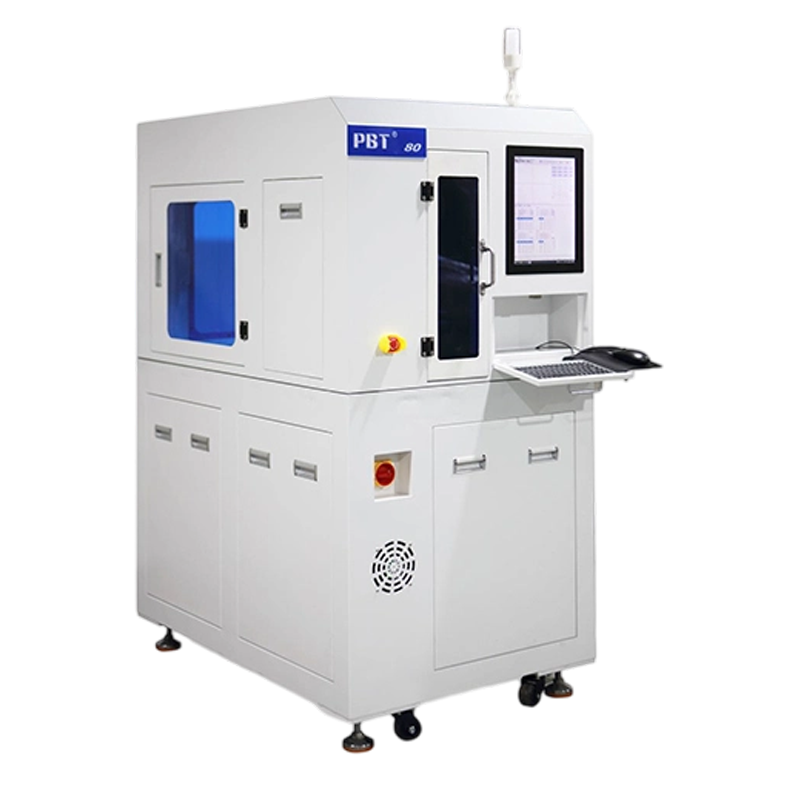
Intelligent Nozzle Cleaning and Inspection All-in-One Machine
-
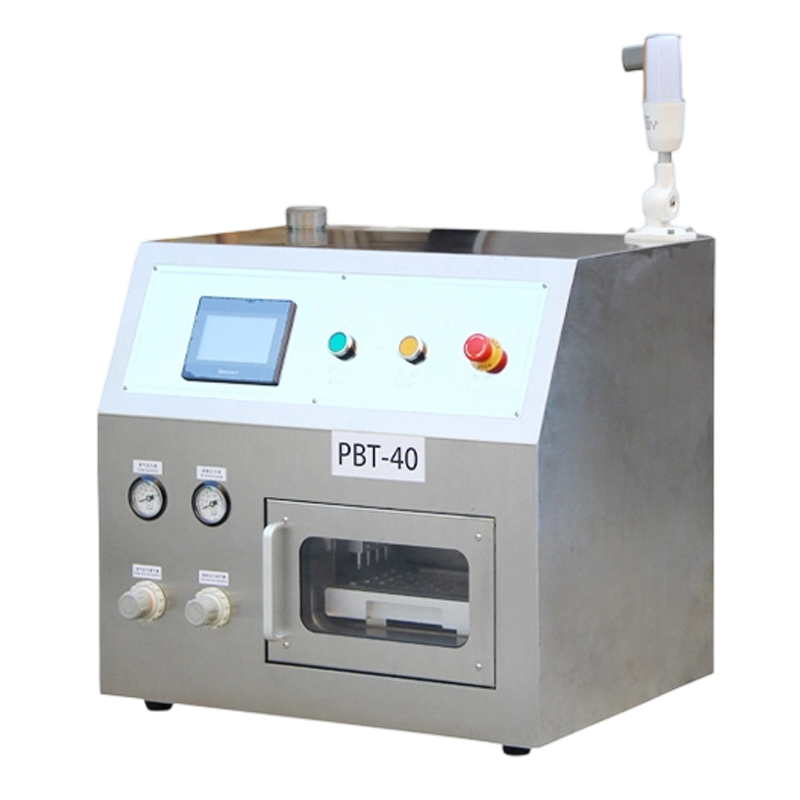
Fully Automatic Nozzle Cleaning Machine
-
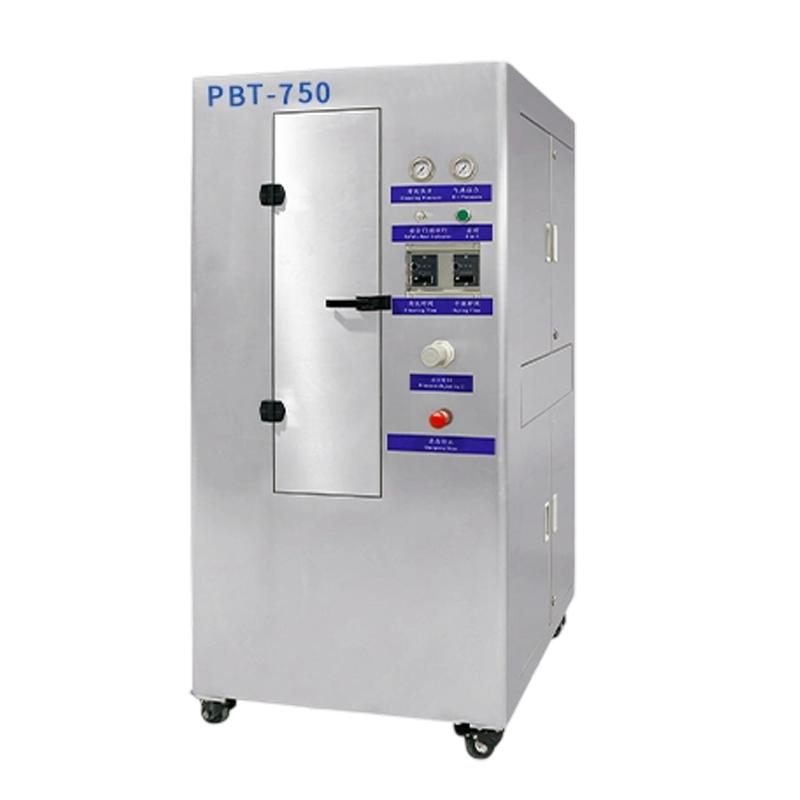
Fully Pneumatic Stencil Cleaning Machine
Learn more
-
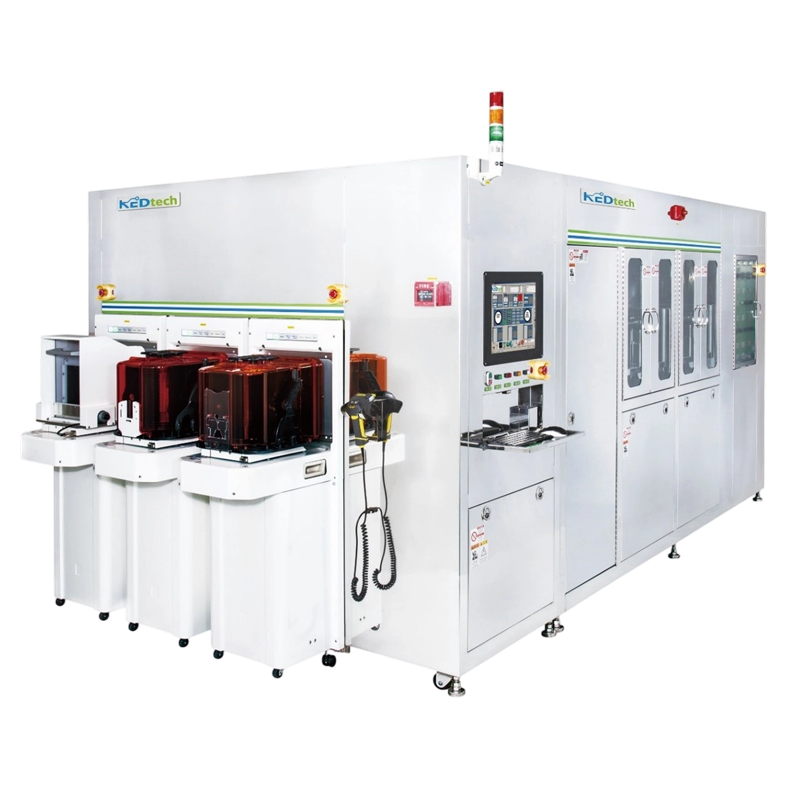
Single Wafer Coater
-
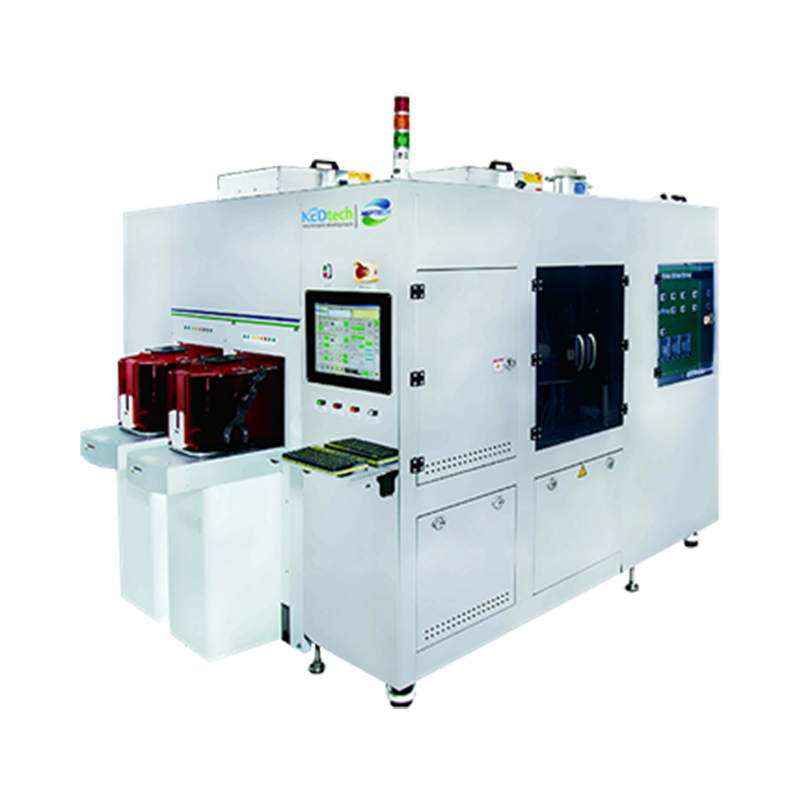
Single wafer cleaning machine
-
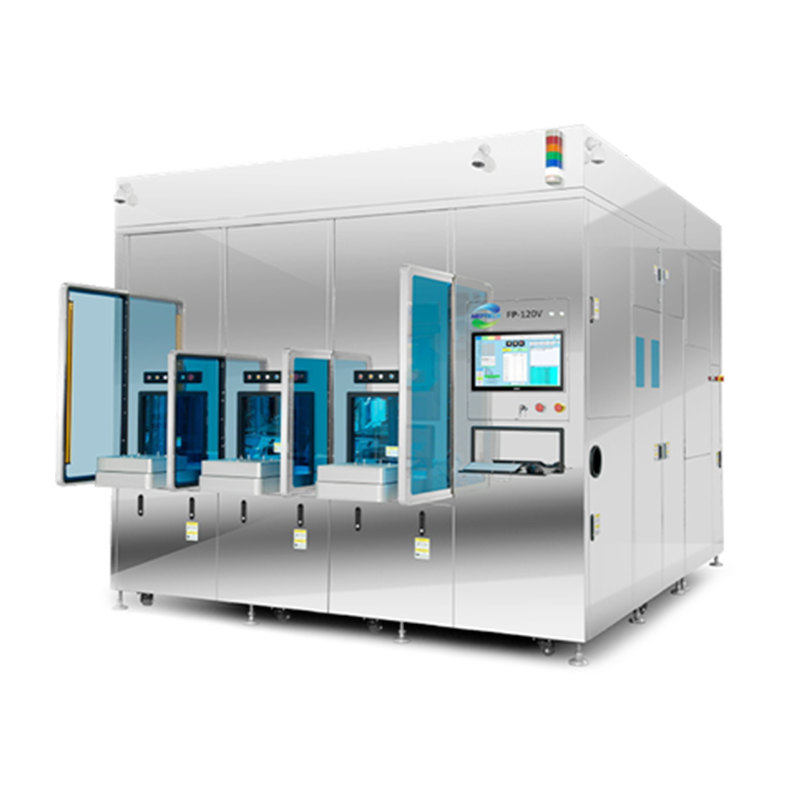
Fully Automatic FOUP Cleaner
-
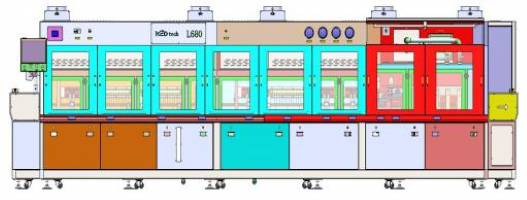
L680 Online Cleaning Machine
-
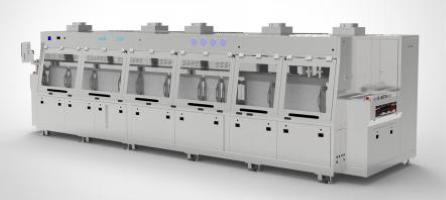
S680 Online Cleaning Machine
-
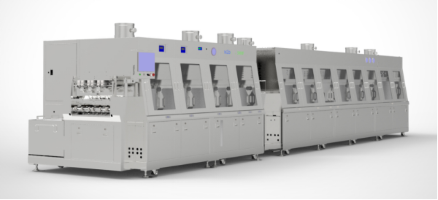
FC-990 Online Cleaner
Learn more
-
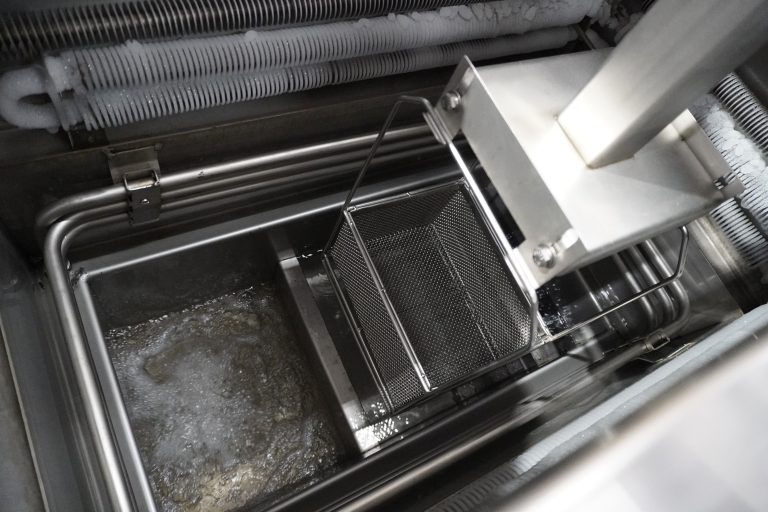
KYZEN SLV901
-
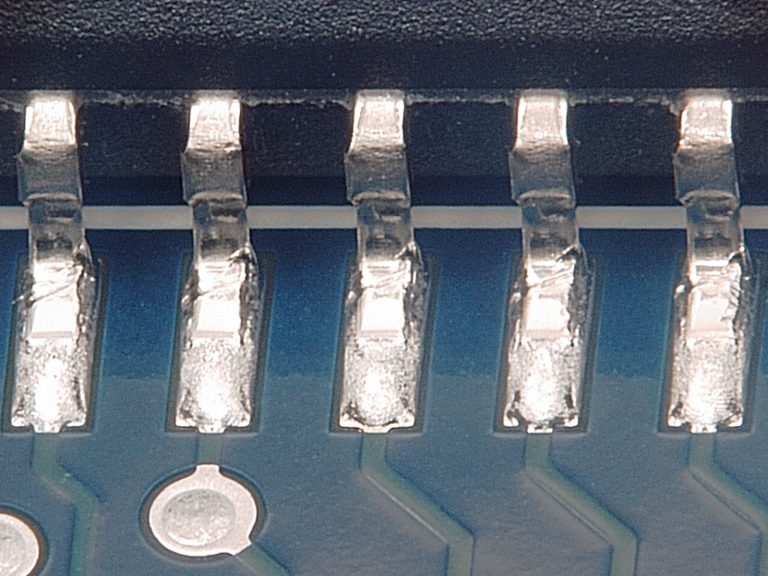
AQUANOX 2K100
-
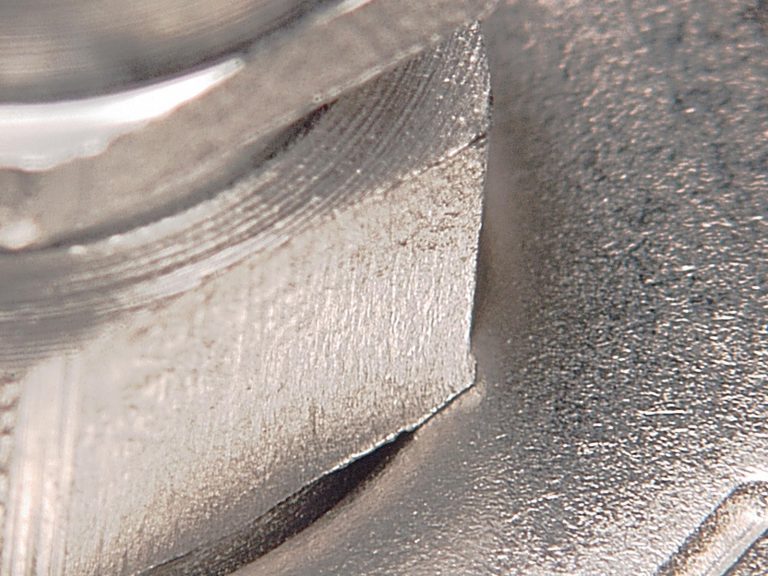
METALNOX M6093
-

KYZEN Booster 20
-
KYZEN CP81
-
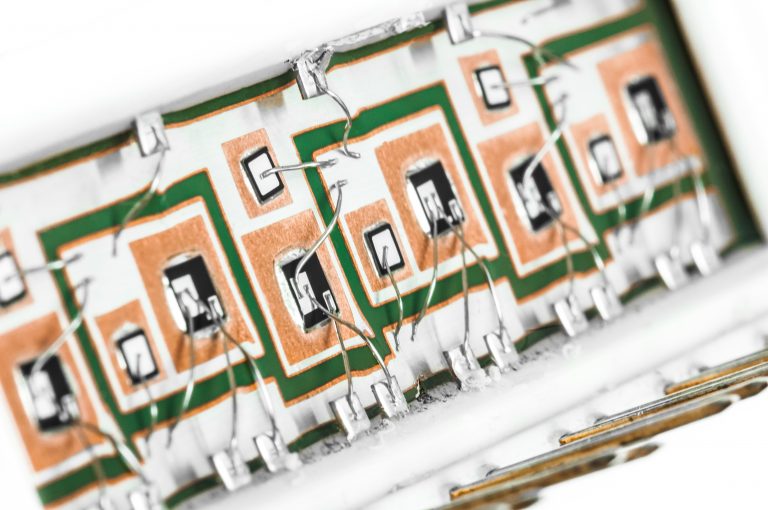
MICRONOX MX2127
Learn more
-
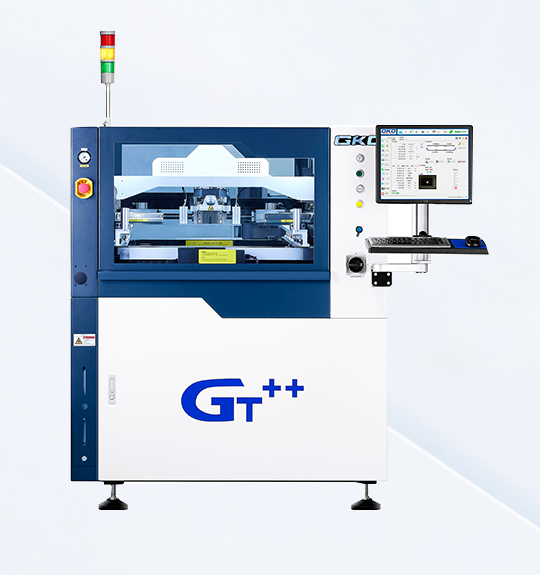
GT++
-
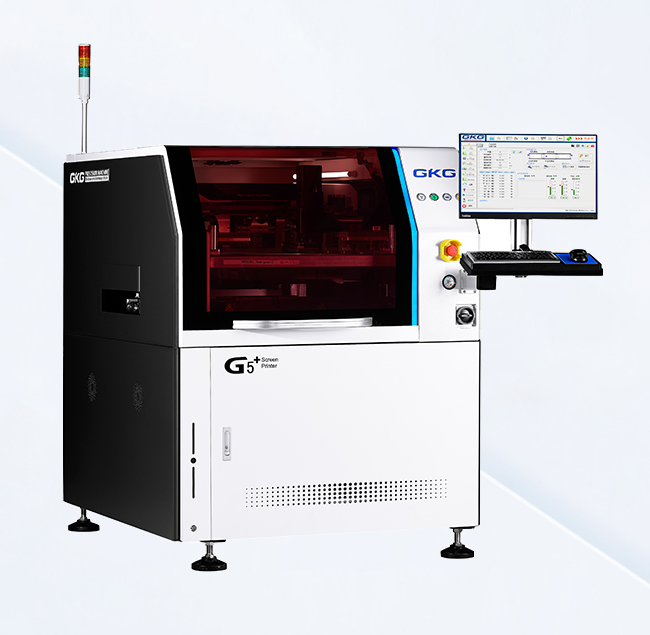
G5+
-
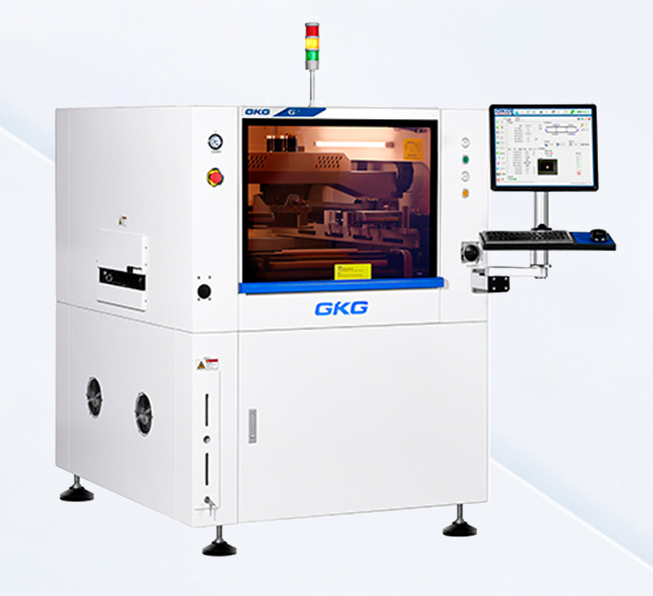
G9+
Learn more
Products
Reflow Soldering and Wave Soldering Equipment
Optical Inspection Equipment AOI/SPI
X-ray Industrial Non-destructive Testing Equipment
SMT Cleaning Equipment
Online PCBA Substrate Cleaning Machine
Cleaning Agent
Precision solder paste printing equipment
Video
-
-
Solutions
-
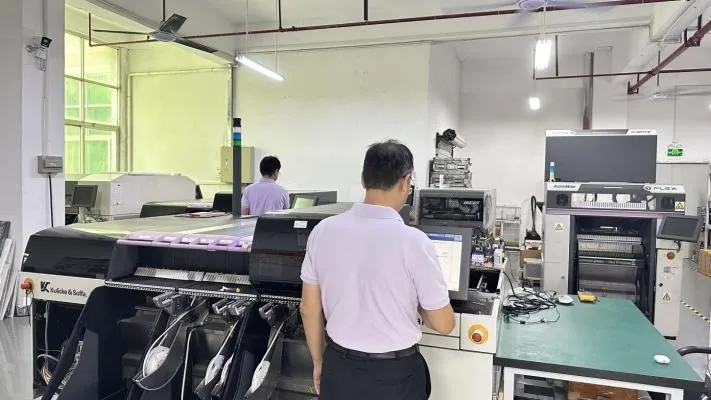
K&S Surface Mount Machine
Learn more
-
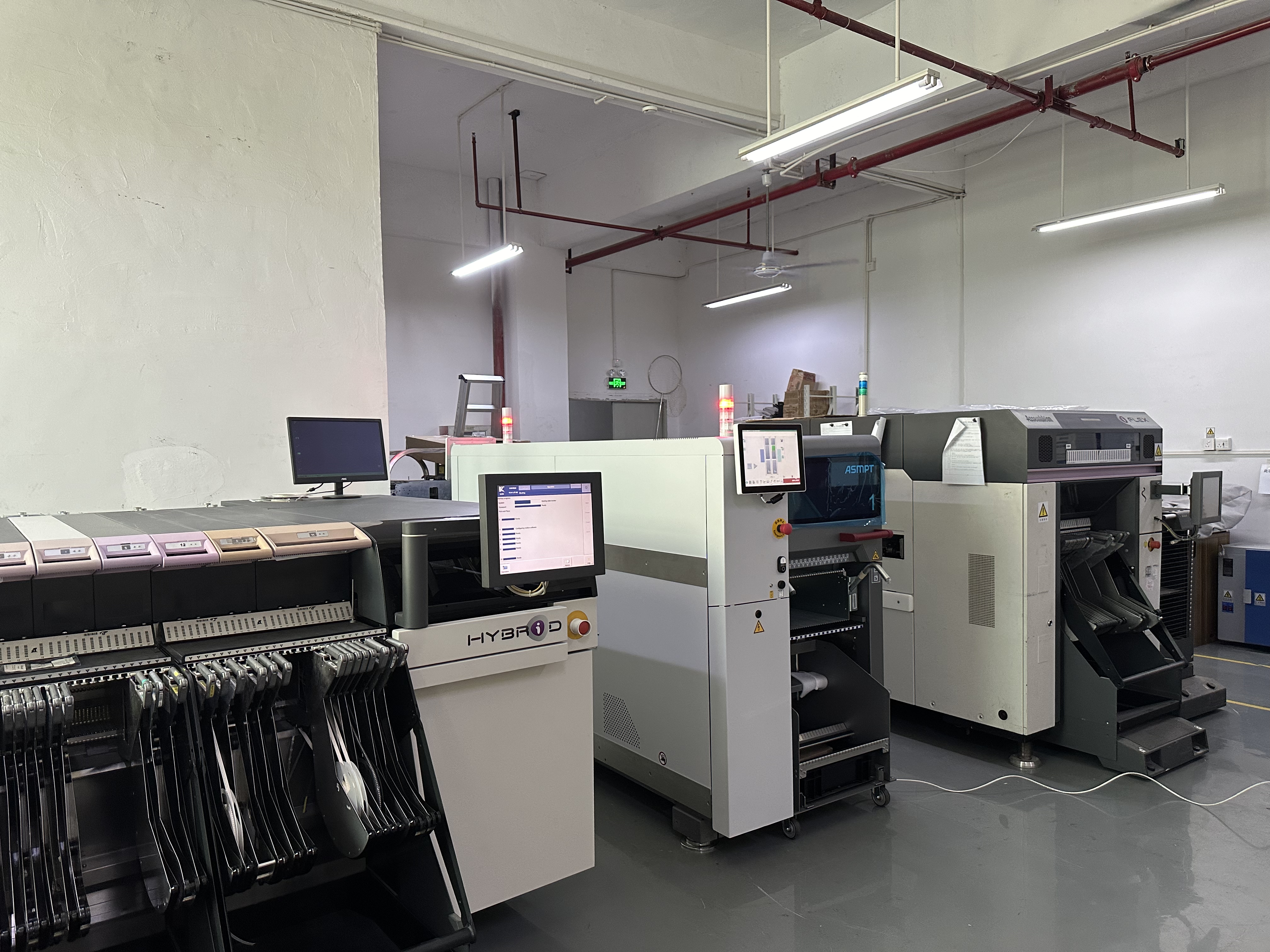
ASM SMT machine
Learn more
-
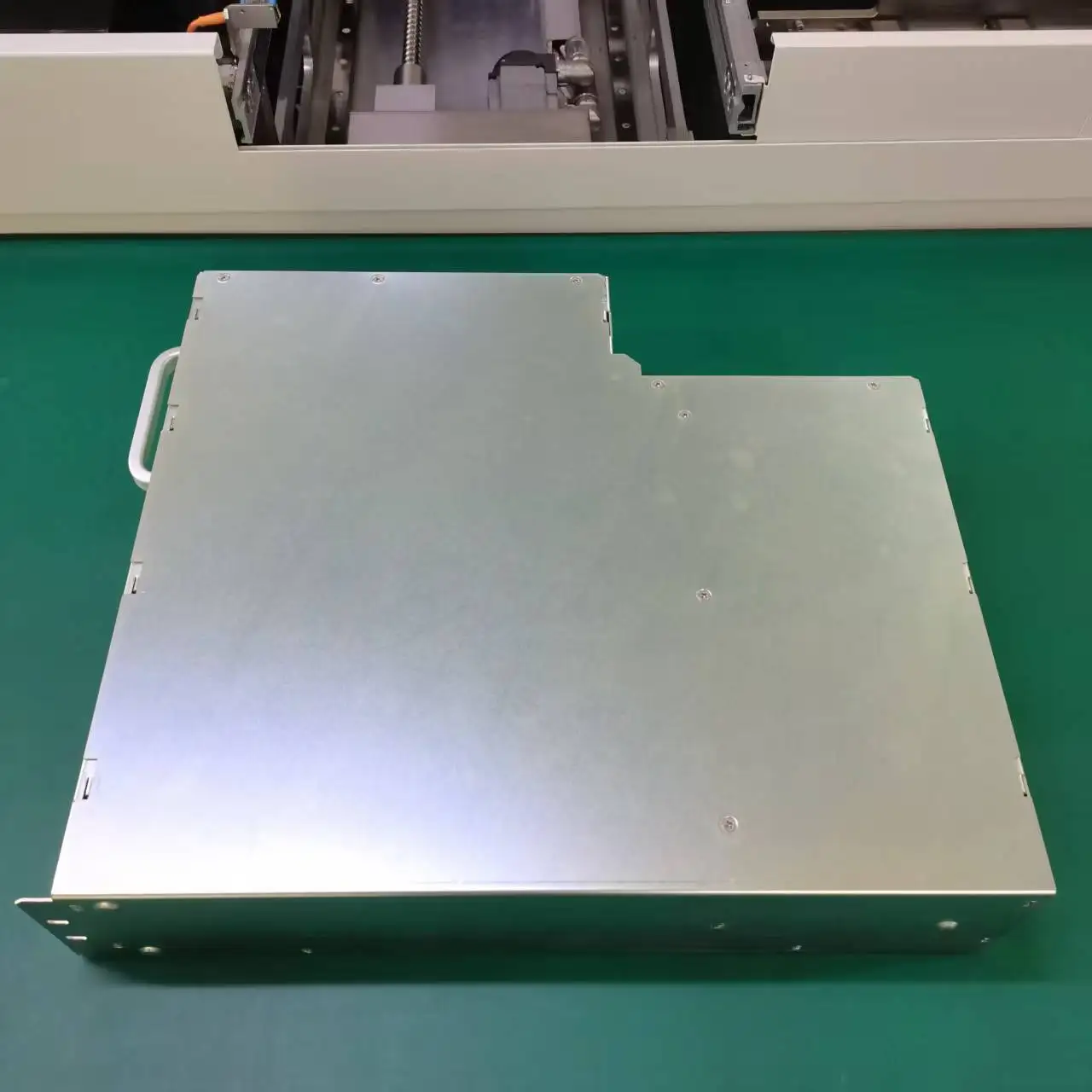
SMT Production line
Learn more
Solutions
K&S Placement Machine Technical Service and Spare Parts
ASM Placement Machine Technical Service and Spare Parts
SMT Production Line Technical Service and Spare Parts
Video
-
-
About Us
Company Profile
Learn more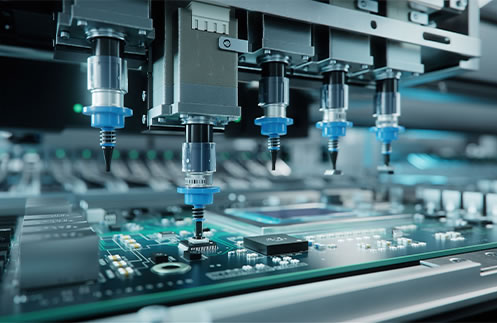 Shenzhen Minfly Technology Co., Ltd. is an overall solution provider for sales and services in the SMT industry. We have experience and technical expertise in the maintenance and supply of parts for well-known SMT equipment brands such as K&S (Assembleon), ASM, and Ersa, as well as in equipment trading. At the same time, our company collaborates with partners to develop SMT-related automated intelligent products to enhance SMT automation levels and production efficiency.
Honors and Qualifications
Learn more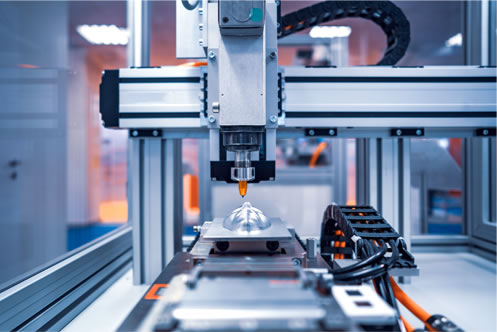 Shenzhen Minfly Technology Co., Ltd. is an overall solution provider for sales and services in the SMT industry. We have experience and technical expertise in the maintenance and supply of parts for well-known SMT equipment brands such as K&S (Assembleon), ASM, and Ersa, as well as in equipment trading. At the same time, our company collaborates with partners to develop SMT-related automated intelligent products to enhance SMT automation levels and production efficiency.
Development History
Learn more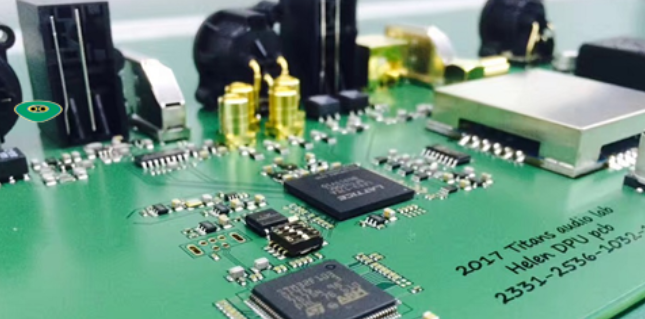 Shenzhen Minfly Technology Co., Ltd. is a comprehensive solution provider for sales and services in the SMT industry. We have experience and technical expertise in the maintenance and supply of parts for well-known SMT equipment brands such as K&S (Assembleon), ASM, and Ersa, as well as in equipment trading. At the same time, our company collaborates with partners to develop SMT-related automated intelligent products to enhance SMT automation levels and production efficiency.
Video
-
News
Video
-
Contact Us